Compact Biologics For GPCR Control
The platform for functional GPCR biologics
Our platform combines GPCR-tailored protein design, proprietary high-throughput in-cell characterization, and integrated pharmacology to create molecules that activate, block, or tune receptor signalling.
We design for the receptor state, epitope, and mechanism that define the therapeutic outcome - then characterize large designed libraries in human cells to find the best molecules that work in context.

Overview
Design. Characterize. Validate.
Skape connects structure-based design, high-throughput in-cell binding characterization, and functional pharmacology into one closed-loop platform for membrane-protein modulators.
.webp)
Design

Characterize
Validate
Design creates the hypothesis. In-cell characterization finds what binds in context. Pharmacology turns the binding map into functional programs.
AI Design
GPCR signalling, designed with atomic precision
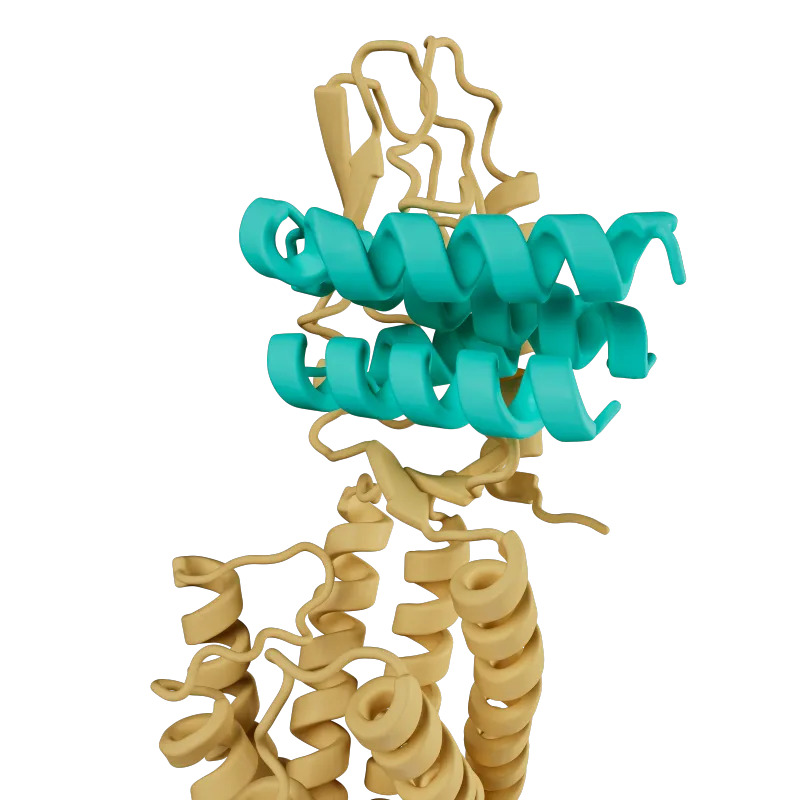
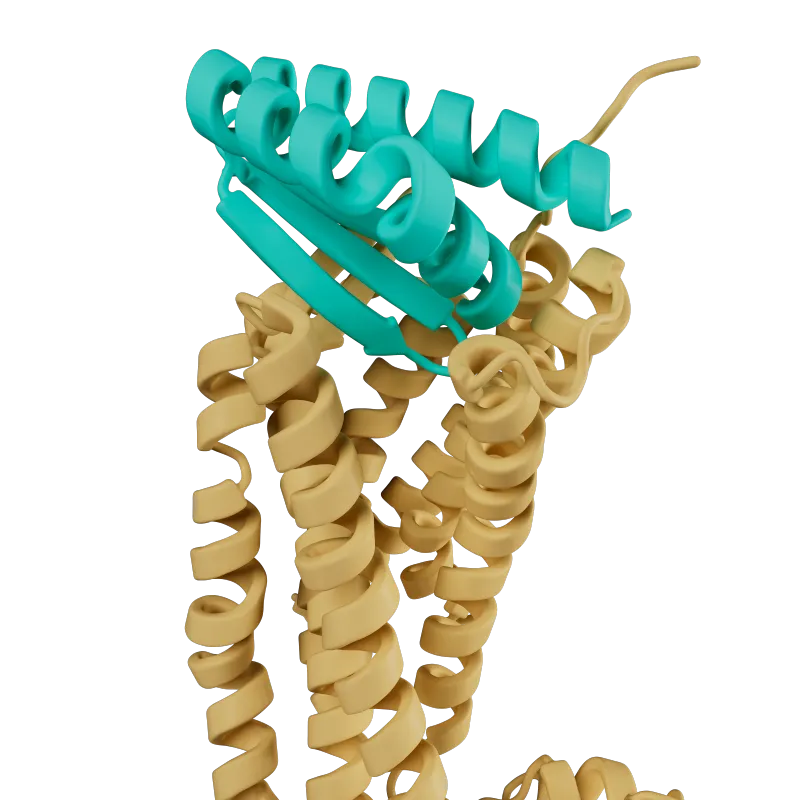
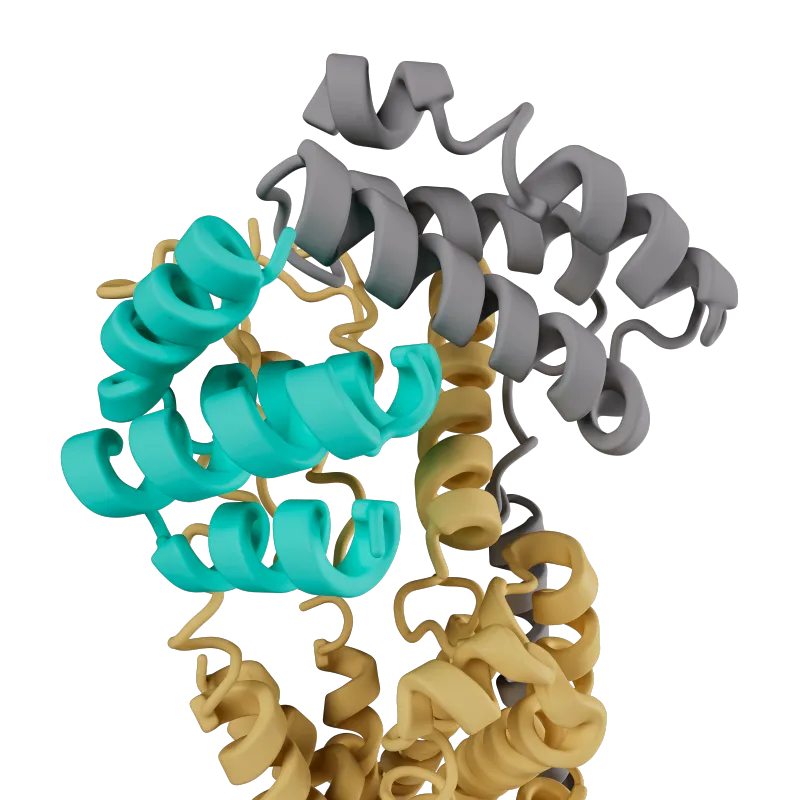
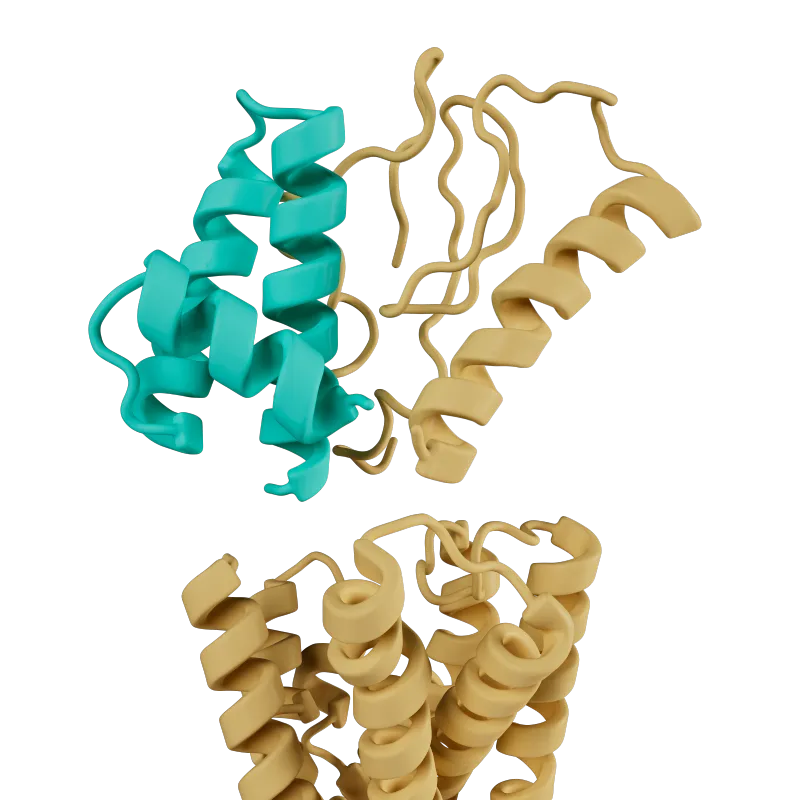
GPCR signaling depends on receptor conformation. Active, inactive, ligand-bound, and intermediate states expose distinct pockets, surfaces, and binding geometries. By designing molecules to engage specific receptor states and epitopes, we control which conformations are stabilized — shaping whether a molecule activates, blocks, or modulates signaling.
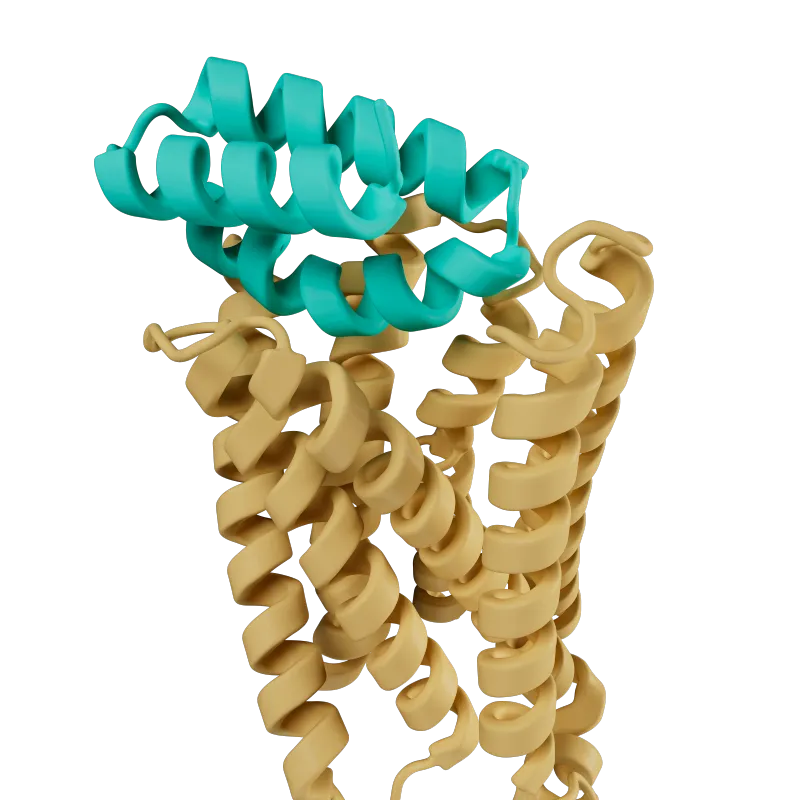
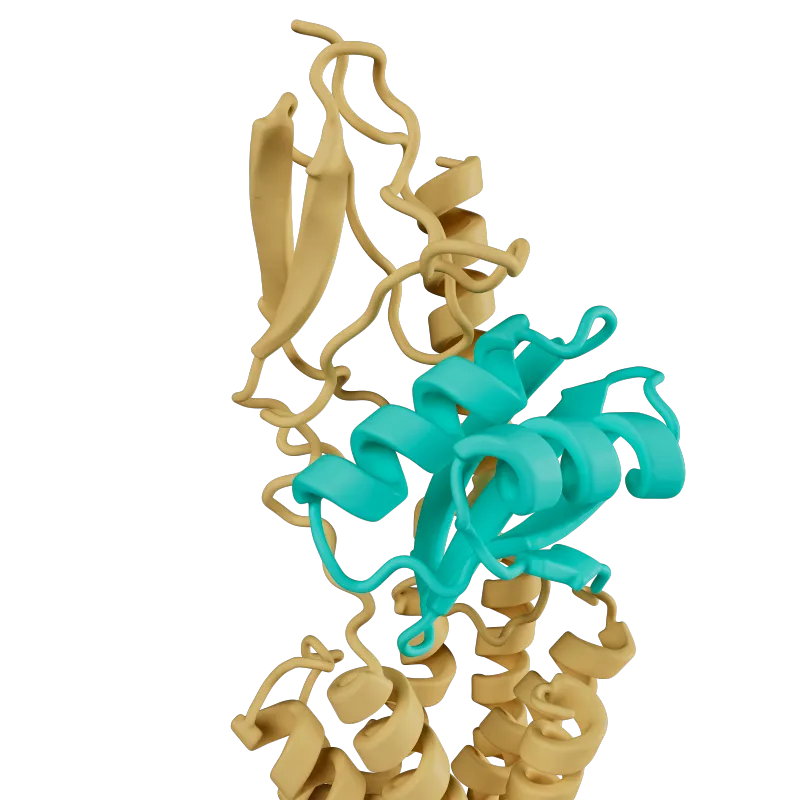
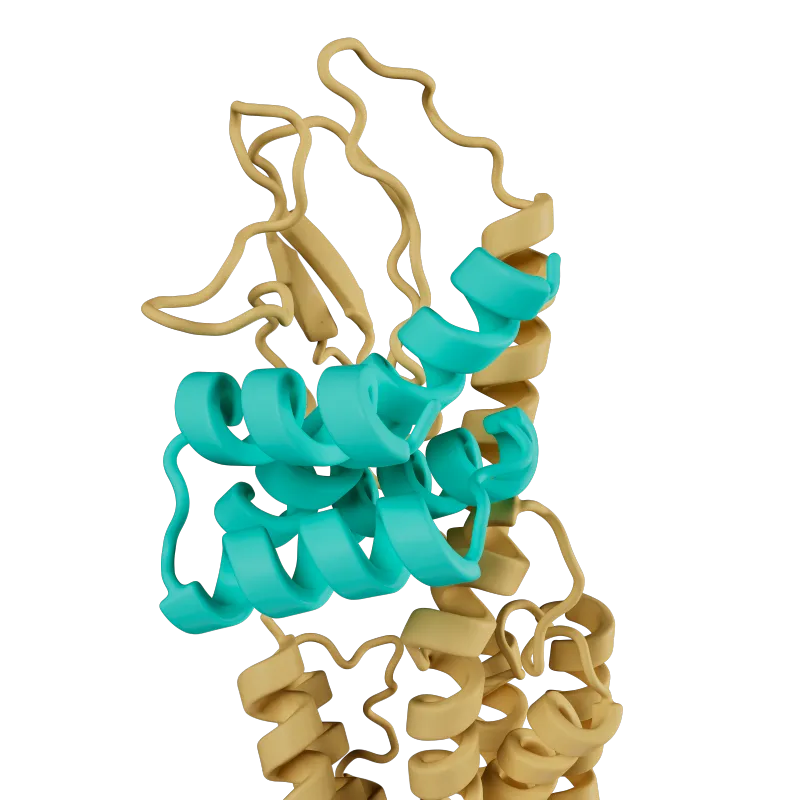
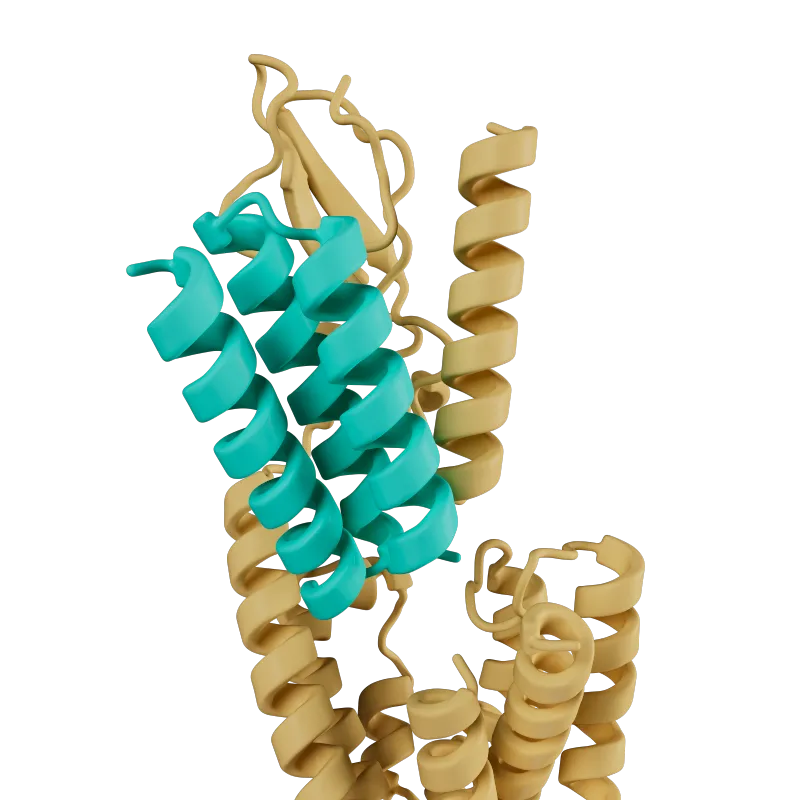
Compact biologics are central to that strategy. Miniproteins provide a small, programmable format for the surfaces GPCRs use to signal: deeply recessed orthosteric pockets, peptide-binding interfaces, extracellular loops, and extracellular domains. Their size gives them reach; their designed structure gives them precision; and their protein architecture gives them tunability for drug-like properties.
Functionally Programmed
Precise Targeting
Tunable Drug Properties
Developable
To create these molecules, we have developed a suite of GPCR-tailored design methods for the epitopes that make these receptors difficult to drug. These methods generate miniproteins that can penetrate recessed pockets, block peptide-binding interfaces, engage extracellular loops, and bind extracellular domains with structural control. During design, we build in the properties a functional molecule needs: stability, solubility, selectivity, controlled cross-reactivity, reduced sequence liabilities, low immunogenicity risk, and the desired mechanism of action.
The result is a precise biologic starting point: a compact molecule designed to bind the right epitope, stabilize the right receptor conformation, and perform the right function.
Characterize
Binding in context, at scale
Our screening technology, OPS-RD, answers a fundamental question: which designs truly bind the target receptor?
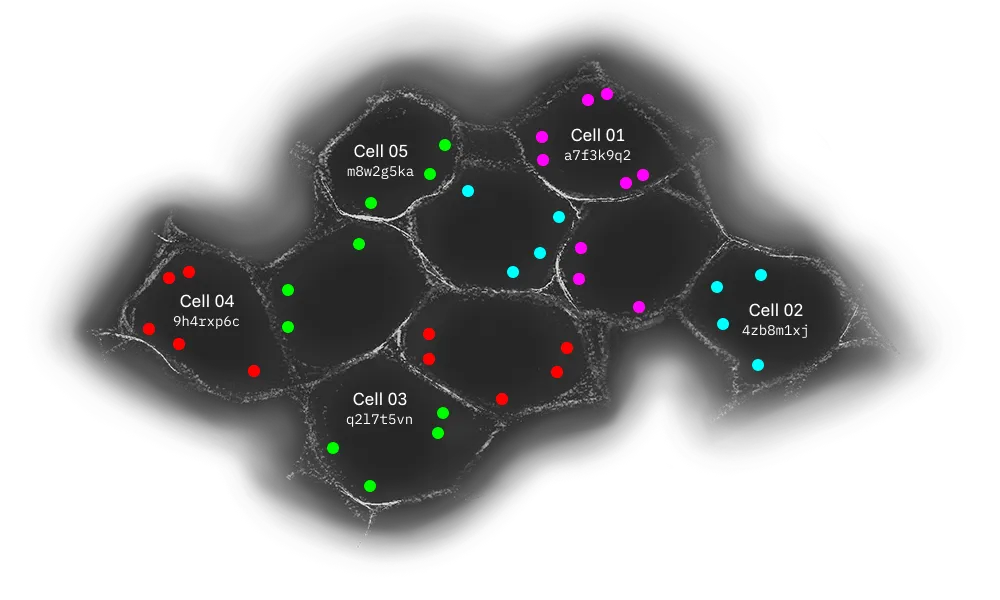
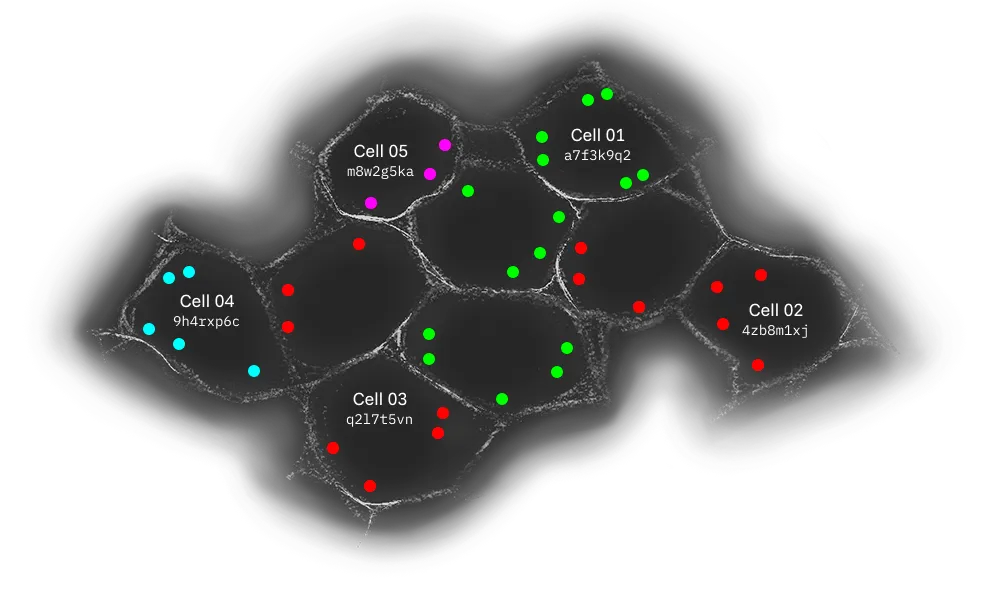
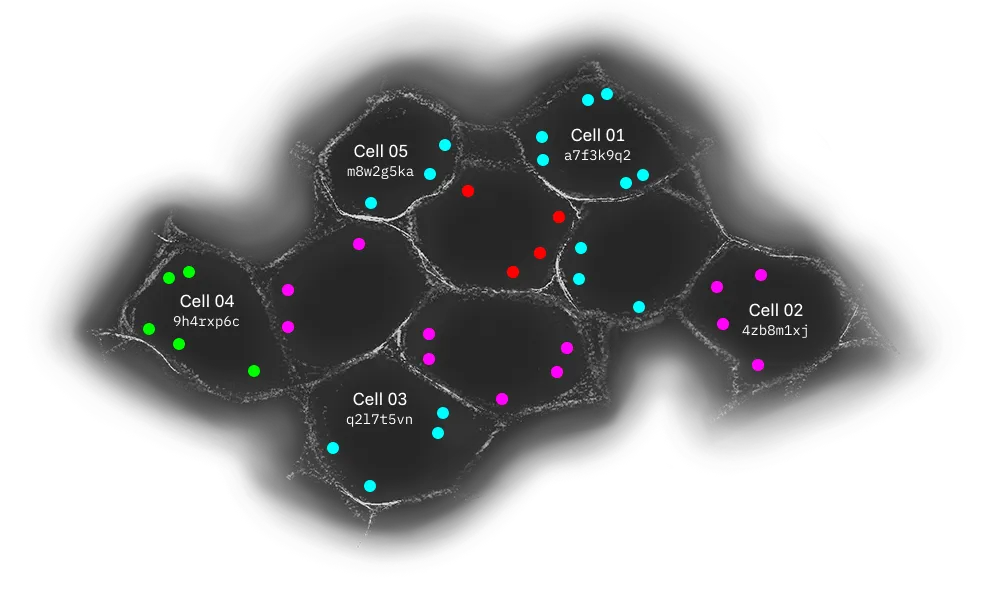
OPS-RD operates directly in human cells, testing large encoded libraries of candidate miniproteins against full-length receptors without first purifying or reconstituting each target for library screening. Each cell expresses one design together with the target receptor, allowing interactions to occur in the crowded cellular environment of the secretory pathway.
When binding happens, it generates a detectable receptor-diversion phenotype captured through imaging. We then use in situ sequencing to read the barcode inside each cell and trace each optical signal back to its originating design across millions of cells.
Because the design is expressed in the cell as part of the assay, OPS-RD also profiles whether candidate proteins are expressed in the assay format, behave as soluble proteins, engage full-length receptors, and generate strong binding-associated phenotypes in a molecularly crowded environment.
The result is high-throughput binding-first discovery at the scale and speed needed for GPCRs - and a platform built to extend across other membrane protein targets.
Explore OPS-RD



Validate
Pharmacology and validation
We design and characterize miniproteins that engage receptors in their native membrane context. Our rapid in-house platform scales from molecular function to binding and selectivity, enabling us to evaluate designs against selected therapeutic targets and broader target classes.
Comprehensive characterization reveals which molecules act as agonists, antagonists, or modulators, and advances the strongest candidates toward therapeutic optimization. Integrated biophysical assays, cell-based translational experiments, and DMPK studies support fast, evidence-driven progression of our programs.
Proof Of Concept
Validated across GPCR classes
In peer-reviewed work with co-founder Prof. David Baker and collaborators, we designed miniprotein GPCR agonists, antagonists, and binders across class A and class B receptors.
Our work demonstrates functional control across diverse receptor mechanisms, with designed agonists, antagonists, nanomolar potency, selectivity, and structural validation by cryo-EM.